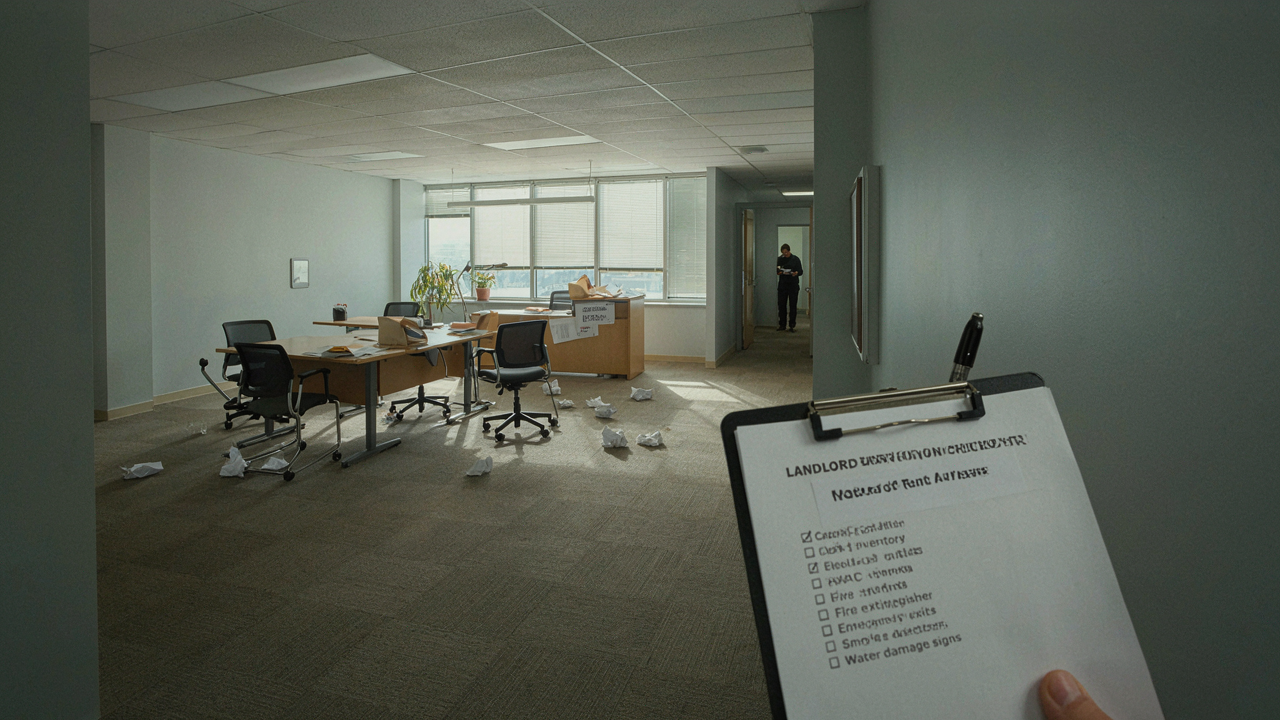




Forfeiture is one of the most stressful situations a commercial tenant can face. It often happens suddenly, usually because of rent arrears or alleged breaches of the lease, and it can leave the tenant locked out of the premises with stock, equipment or business assets still inside. The consequences can be serious, and the tenant must act quickly to protect their position.
Senior solicitor Kuldeep S. Clair advises tenants on forfeiture with clear, calm and commercially realistic guidance. Understanding your rights and responding promptly can make a significant difference to the outcome.
What is forfeiture and why does it happen?
Forfeiture is the landlord’s right to bring the lease to an end when the tenant has breached the lease. The most common reason is rent arrears, but forfeiture can also arise from other breaches such as unauthorised alterations, subletting, failure to repair or breach of user clauses.
Landlords may forfeit by peaceable re-entry (changing the locks) or by issuing court proceedings. Peaceable re-entry is often used because it is quick and decisive.
Why does forfeiture often happen without warning?
Many commercial tenants are taken by surprise when forfeiture occurs. Landlords are not required to give advance warning for rent arrears forfeiture unless the lease specifically requires it. In many cases, the first sign of trouble is arriving at the premises and finding the locks changed.
This is why early advice is crucial when arrears or disputes begin to build.
Is forfeiture final, or can the lease be restored?
Forfeiture is not always final. Tenants may be able to apply for relief from forfeiture. Relief is a legal remedy that can restore the lease as if the forfeiture never happened. Courts often grant relief for rent arrears if the tenant can pay the arrears and costs within a reasonable time.
Relief is not automatic. It requires prompt action and careful handling. Kuldeep advises tenants on whether relief is realistic and how best to approach the process.
What happens to my stock, equipment and business assets?
When the landlord re-enters the premises, the tenant loses access immediately. Stock, equipment, documents and business assets may be left inside. The landlord may allow supervised access to collect items, but this is not guaranteed.
The tenant must act quickly to avoid losing the opportunity to regain possession or negotiate a sensible outcome.
Can I negotiate with the landlord after forfeiture?
Yes. Even after forfeiture, negotiation is possible. Some landlords prefer a financial settlement rather than prolonged proceedings. Others may be open to reinstating the lease if arrears are cleared or if terms can be agreed.
Negotiation depends on the landlord’s commercial position, the tenant’s circumstances and the nature of the breach. Kuldeep Clair provides clear guidance on realistic negotiation strategies and helps tenants avoid unnecessary liability.
Can the landlord forfeit the lease for reasons other than rent arrears?
For breaches other than rent arrears, landlords usually must serve a Section 146 notice before forfeiting. This notice gives the tenant an opportunity to remedy the breach. However, some breaches cannot be remedied, and the landlord may proceed directly to forfeiture.
Understanding whether the breach is capable of remedy is essential. Kuldeep reviews the lease and advises tenants on their options.
What are the risks if I do nothing?
Doing nothing can make matters worse. The landlord may pursue rent arrears, service charges, insurance contributions and losses until the premises are re-let. In some cases, the landlord may also pursue dilapidations or legal costs.
Prompt advice protects the tenant’s position and prevents avoidable financial harm.
If dilapidations are also being alleged, tenants may wish to read Kuldeep’s separate article on dilapidations, which explains how such claims can be challenged and negotiated.
How much will legal advice cost?
Legal costs depend on how far the matter progresses. A simple negotiation may be resolved quickly, whereas applications for relief from forfeiture or disputes over breaches may require more detailed involvement.
Kuldeep does not normally work on an open hourly-rate basis for commercial lease matters. Instead, he prefers to agree a fixed fee for a defined amount of work so that tenants have clarity from the outset. The difficulty with offering a single fixed fee for the entire forfeiture process is that no solicitor can predict how the landlord will respond, whether reinstatement is realistic or whether further steps will be required. For that reason, Kuldeep provides clear, honest guidance at the beginning and agrees fixed fees for each stage of work as needed, ensuring costs remain controlled and completely transparent.
For tenants with limited budgets, Kuldeep can also assist with specific stages of the process rather than full representation throughout. This may include reviewing the lease, advising on relief from forfeiture, preparing correspondence or negotiating particular points. In these situations, he is able to quote a fixed fee for the defined work required. This flexible approach allows tenants to obtain senior legal support where it is most needed without committing to the cost of full proceedings.
How can Kuldeep help me right now?
Forfeiture is urgent. Deadlines apply, possession may be lost permanently and the business may be at risk. Early advice ensures that the tenant’s rights are protected, negotiations are handled sensibly and the business is not placed at unnecessary risk.
Kuldeep’s approach is calm, senior and commercially grounded. He helps tenants understand their position clearly and negotiate practical outcomes.
If your landlord has changed the locks, threatened forfeiture or served a notice, Kuldeep can advise you quickly and confidentially and help you understand the most sensible way forward.