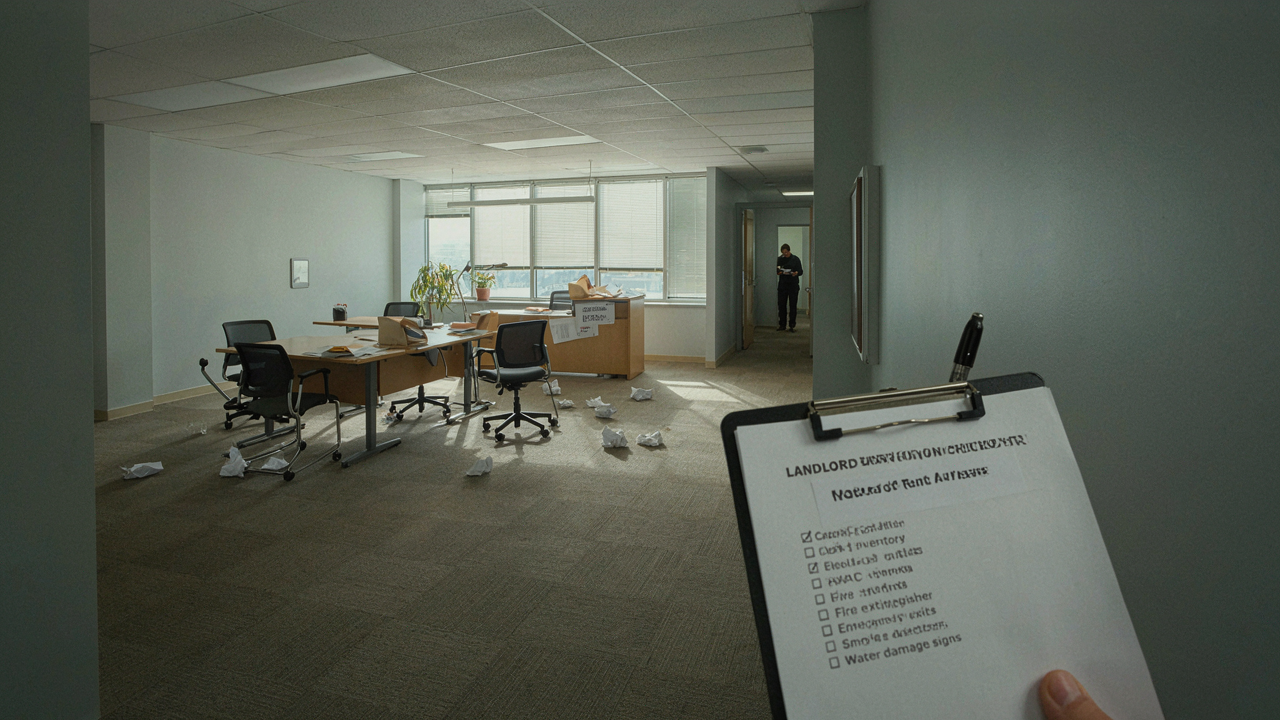



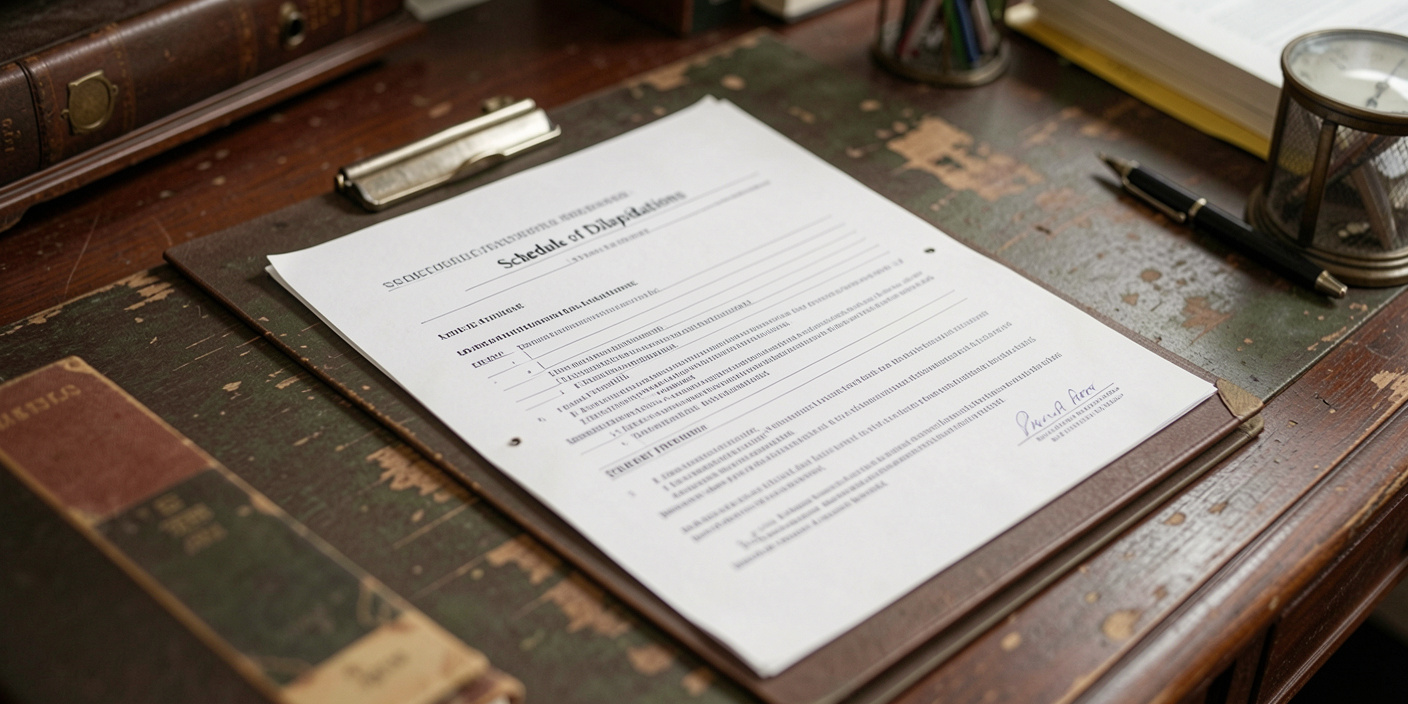
Dilapidations can come as an unpleasant surprise to commercial tenants. As the end of the lease approaches, or sometimes shortly after leaving the premises, tenants may receive a schedule of dilapidations from the landlord. These schedules can be lengthy, technical and expensive, and many tenants feel overwhelmed when they first see them.
Senior solicitor Kuldeep S. Clair advises tenants on dilapidations with calm, clear and commercially realistic guidance. Understanding your rights and obligations early can prevent unnecessary cost and help you negotiate a sensible outcome.
What Are Dilapidations?
Dilapidations refer to the tenant’s obligations to repair, decorate or reinstate the premises under the terms of the lease. Most commercial leases contain repairing covenants, and many require the tenant to return the premises in a particular condition at the end of the term.
A schedule of dilapidations is the landlord’s formal claim setting out what they believe the tenant must put right. These schedules often include items relating to repairs, redecoration, reinstatement of alterations, compliance with statutory requirements and issues connected to wear and tear.
Why Dilapidations Claims Can Be Inflated
It is not unusual for landlords or their surveyors to produce schedules that are broader or more expensive than what the lease actually requires. Some schedules include items that relate to improvements rather than repairs, or works that go beyond the tenant’s obligations.
A tenant should not simply accept the schedule at face value. Careful review of the lease, the condition of the premises and the landlord’s claims is essential.
Kuldeep assists tenants in assessing the schedule realistically, identifying what is genuinely required and challenging items that fall outside the scope of the lease.
Negotiating Dilapidations – A Commercial Approach
Dilapidations are not purely a legal issue; they are also a commercial negotiation. Many landlords prefer a financial settlement rather than insisting on physical works. A negotiated settlement can save time, reduce cost and provide certainty for both parties.
The key is to approach the negotiation with a clear understanding of the lease obligations, the condition of the premises and the landlord’s likely position. Kuldeep provides strategic advice to help tenants negotiate sensibly and avoid paying more than necessary.
The Role of a Schedule of Condition
Some leases include a schedule of condition, which records the state of the premises at the beginning of the term. This can significantly limit the tenant’s repairing obligations. If a schedule of condition exists, it must be reviewed carefully, as it may reduce or eliminate many of the items claimed by the landlord.
Kuldeep ensures that any schedule of condition is properly considered when assessing the dilapidations claim.
Timing and Urgency
Dilapidations often arise at a time when the tenant is already under pressure, either because the business is closing, relocating or dealing with financial strain. Early advice is crucial. The sooner the tenant understands their position, the better the negotiation can be managed.
Landlords may also impose deadlines for responding to the schedule or for completing works. Missing these deadlines can weaken the tenant’s negotiating position.
Costs and Realistic Expectations
Legal costs depend on how far the matter progresses. A straightforward negotiation may be resolved quickly, whereas disputes over the scope of works or the interpretation of the lease may require more detailed involvement.
Kuldeep does not normally work on an open hourly-rate basis for commercial lease matters. Instead, he prefers to agree a fixed fee for a defined amount of work so that tenants have clarity from the outset. The difficulty with offering a single fixed fee for the entire dilapidations process is that no solicitor can predict how the landlord will respond, whether the schedule will be negotiated sensibly or whether further steps will be required. For that reason, Kuldeep provides clear, honest guidance at the beginning and agrees fixed fees for each stage of work as needed, ensuring costs remain controlled and transparent.
For tenants with limited budgets, Kuldeep can also assist with specific stages of the process rather than full representation throughout. This may include reviewing the lease, assessing the schedule, advising on negotiation strategy or preparing correspondence. In these situations, he is able to quote a fixed fee for the defined work required. This flexible approach allows tenants to obtain senior legal support where it is most needed without committing to the cost of full proceedings.
Why Early Advice Saves Money
Many tenants attempt to deal with dilapidations themselves, only to find that the landlord becomes entrenched or insists on inflated claims. Early legal advice can prevent misunderstandings, reduce unnecessary cost and help the tenant negotiate from a position of strength.
Kuldeep’s approach is calm, senior and commercially focused. He helps tenants understand their obligations clearly, challenge unreasonable claims and negotiate practical outcomes.
A Senior, Practical Approach to Dilapidations
Dilapidations can feel daunting, especially when the business is already under pressure. Working with senior solicitor Kuldeep S. Clair gives you clear advice, strong negotiation and practical support tailored to your circumstances.
If you have received a schedule of dilapidations or expect one soon, Kuldeep can advise you quickly and confidentially and help you understand the most sensible way forward.