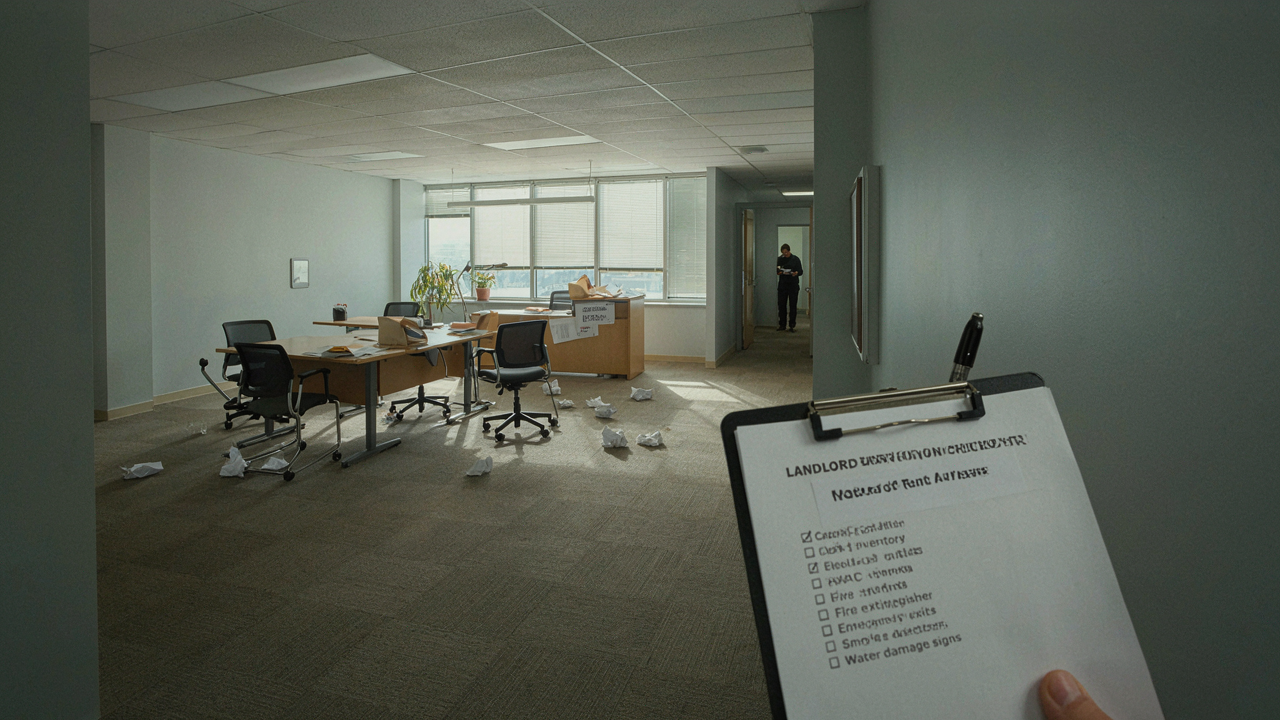




Many commercial tenants reach a point where continuing with their lease is no longer viable. Declining trade, rising costs, changes in the market, unexpected financial pressure or simply a business that is no longer sustainable can leave tenants feeling trapped in a lease they cannot afford.
Senior solicitor Kuldeep S. Clair advises tenants in this position with calm, clear and commercially realistic guidance. Ending a commercial lease early is not straightforward, but there are several options — and choosing the right one can prevent unnecessary liability and protect your business from further financial harm.
Understanding the Problem
A commercial lease is a binding contract. Walking away or simply handing back the keys does not end your legal obligations. Rent, service charges and other liabilities can continue until the landlord re-lets the premises, and in some cases even beyond that.
The key is to understand your options early and take a structured, legally sound approach.
Option 1: Negotiated Surrender
A surrender is an agreement between the tenant and landlord to end the lease early. It usually involves negotiation and may require a payment to the landlord, depending on the circumstances. As a tenant, you may also be required to pay the landlord’s legal costs.
A surrender can be quick and clean, but it depends entirely on the landlord’s willingness to negotiate. Some landlords prefer certainty over pursuing a struggling tenant; others may insist on conditions such as dilapidations or a surrender premium.
Kuldeep assists tenants in negotiating realistic surrender terms and ensuring the agreement properly ends all future liability.
Option 2: Assignment of the Lease
Assignment involves transferring (”assigning”) the lease to a new tenant. This can be a viable option if the premises are attractive to another business and the market is favourable.
However, assignment requires landlord consent, and the landlord may impose conditions. In many leases, the outgoing tenant remains liable if the new tenant defaults, so careful drafting and negotiation are essential.
Option 3: Underletting
Underletting allows the tenant to sublet the premises to another business. This can reduce financial pressure, but it depends on the lease terms and market demand. The tenant usually remains responsible for the main lease, so underletting must be approached with caution. You must be sure that your subtenants are trustworthy.
Option 4: Break Clause
Some leases contain a break clause allowing the tenant to end the lease early. Break clauses must be exercised strictly in accordance with the lease terms. Any mistake — even a minor one — can invalidate the break.
Kuldeep reviews break clauses carefully and ensures they are exercised correctly so the tenant does not lose the opportunity. You can consult Kuldeep about the break clause in your lease to see what you need to do to exercise it.
Option 5: Negotiating Temporary Concessions
If the business is struggling but not closing, tenants may negotiate temporary rent reductions, payment plans or lease variations. Landlords sometimes prefer this approach if they believe the tenant will recover.
Kuldeep advises tenants on realistic negotiation strategies and helps present proposals in a commercially credible way.
Why Walking Away Is Dangerous
Some tenants consider simply leaving the premises and hoping the landlord will “sort it out”. This is almost always the worst option.
Liability continues until the lease is formally ended. The landlord can pursue rent, service charges, insurance contributions and losses until the premises are re-let. In some cases, the landlord may also pursue dilapidations or legal costs.
Early advice prevents costly mistakes.
Costs and Realistic Expectations
Legal costs depend on how far the matter progresses. A simple negotiated surrender may be resolved quickly, whereas assignment or break-clause issues may require more work.
Kuldeep does not normally work on an open hourly-rate basis for commercial lease matters. Instead, he prefers to agree a fixed fee for a defined amount of work so that clients have clarity from the outset. The difficulty with offering a single fixed fee for the entire process is that no solicitor can predict whether a landlord will negotiate, whether a surrender will be accepted or whether further steps will be required. For that reason, Kuldeep provides clear, honest guidance at the beginning and agrees fixed fees for each stage of work as needed, ensuring costs remain controlled and transparent.
For tenants with limited budgets, Kuldeep can also assist with specific stages of the process rather than full representation throughout. This may include reviewing the lease, advising on surrender proposals, preparing correspondence or negotiating particular points. In these situations, he is able to quote a fixed fee for the defined work required. This flexible approach allows tenants to obtain senior legal support where it is most needed without committing to the cost of full proceedings.
How Kuldeep Helps Tenants
Kuldeep advises tenants on all aspects of ending a commercial lease early, including reviewing the lease, identifying realistic options, negotiating surrender terms, advising on assignment or underletting, exercising break clauses correctly and protecting tenants from unnecessary liability. His approach is calm, senior and commercially focused, providing continuity and clear guidance throughout.
A Senior, Practical Approach When You Need It Most
Ending a commercial lease early can feel overwhelming, especially when the business is under pressure. Working with senior solicitor Kuldeep S. Clair gives you clear advice, strong negotiation and practical support tailored to your circumstances.
If you need to end your commercial lease early, Kuldeep can advise you quickly and confidentially and help you understand the most sensible way forward.