


By Kuldeep S. Clair, Senior Solicitor, 25+ years experience
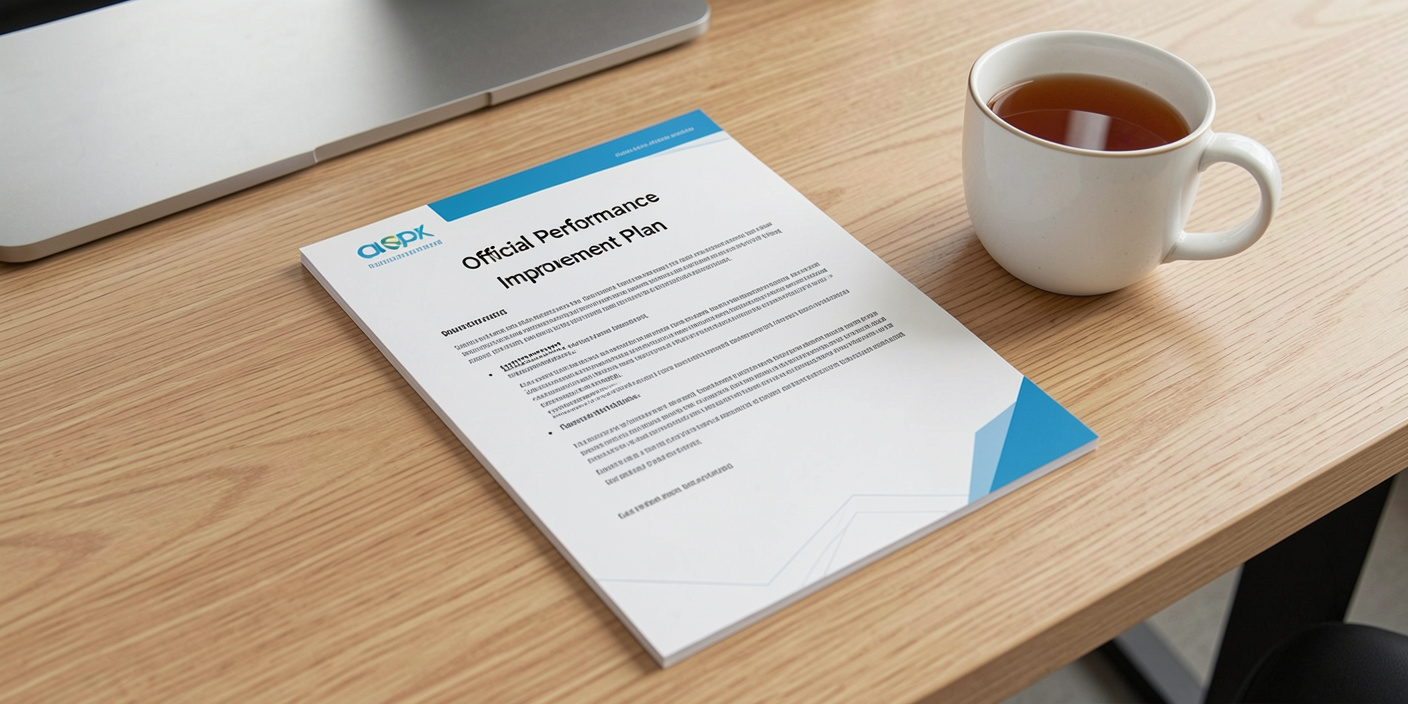
What a Performance Improvement Plan Really Is
A Performance Improvement Plan is often presented as a supportive measure — a chance to “improve”, a structured pathway to success, a formal way to help you meet expectations. Employers use reassuring language, and many employees sign the document without appreciating what it really represents.
In practice, a PIP is frequently the first formal step in a process that leads to dismissal. It creates a written record of alleged shortcomings, it sets deadlines that are often unrealistic, and it places you under scrutiny that can feel impossible to satisfy. Once the document exists, the employer has already begun to build the evidential foundation for a capability dismissal or a negotiated exit.
Why Timing Matters
This is why the timing of your response matters. The biggest mistake employees make is waiting until the end of the PIP period, or until the dismissal letter arrives, before seeking advice. By that stage, the employer has gathered months of written material that supports their position. The opportunity to influence the process has already passed.
When clients contact me at the PIP stage, the situation is very different. I can examine whether the alleged concerns are genuine, whether the expectations are reasonable, whether the targets are achievable, and whether the employer has followed a fair process. In many cases, the PIP itself is flawed: it may rely on inaccurate assumptions, it may impose deadlines that no reasonable employee could meet, or it may be used as a tool to push someone out of the business quietly.
A PIP Is a Strategic Move, Not Just a Document
A PIP is not simply a document. It is a strategic move by the employer. How you respond to it — and when — determines what happens next.
Should You Sign or Refuse to Sign?
One of the most dangerous moments in any PIP process is the decision whether to sign the document. Many employees assume that signing it is harmless, or that refusing to sign will protect them. In reality, both choices carry consequences.
If you sign a PIP without advice, you may be accepting the employer’s version of events. You may be agreeing that your performance has fallen short, that the targets are reasonable, and that dismissal will be justified if you do not meet them. Once signed, the employer can rely on the document as evidence that you accepted the concerns and the expectations placed upon you. This can make it far easier for them to justify a capability dismissal later.
If you refuse to sign, the situation is no safer. Employers often treat refusal as a lack of cooperation, or as evidence that the employee is unwilling to engage with the process. Some employers will proceed with the PIP regardless, recording that you declined to sign. Others may escalate matters, moving directly to disciplinary action or alleging insubordination. A refusal to sign does not stop the process; it simply places you in a more precarious position within it.
Why the Decision Depends on Timing and Strategy
This is why timing and strategy matter. The decision to sign or refuse is not a simple yes or no. It depends on the accuracy of the allegations, the fairness of the targets, the history of your employment, the employer’s intentions, and the wider context of the situation. A PIP is not a neutral document. It is a step in a process that can lead to dismissal, negotiation, or a settlement agreement — and the way you respond determines which path you end up on.
What to Do If You’ve Been Given a PIP
If you have been given a PIP, told that one is being prepared, or asked to attend a meeting about “performance concerns”, this is the moment to get proper legal advice. Once you sign, or once you refuse, the employer will record your response and rely on it later. Before you take that step, you should understand exactly what the implications are.
Get Proper Legal Advice Before You Respond
You are welcome to contact me directly. Send me the PIP or the email that led to it, and I will arrange a discussion with you promptly. I will advise you clearly on your position and your options before you take your next step. A PIP is a turning point. Handled correctly, it can lead to a negotiated exit, a settlement agreement, or a fairer process. Handled alone, it often leads to dismissal.
If you are facing a PIP, get in touch. I will help you understand exactly where you stand and what you should do next.